

In conversations about health, nutritional supplements are often reduced to extremes. Some view them as miracle solutions. Others dismiss them entirely after headlines question whether multivitamins alone prevent major illnesses. The truth, as is often the case in health, is more nuanced.
Supplements are not replacements for real food, movement, rest, or lifestyle habits. But modern life has also changed dramatically from the conditions under which many nutritional guidelines were originally developed. Food quality, environmental stress, agricultural practices, sleep disruption, processed diets, and chronic stress all influence how the body functions — and how well it receives the nutrients it needs.
At Living Health, we see wellness not as a single solution, but as an ecosystem. Nutrition is part of that ecosystem.
Modern Life Is Nutritionally Different
Even people trying to eat “healthy” often face challenges that previous generations did not encounter in the same way.
Highly processed foods dominate modern diets. Many crops are grown in depleted soils. Long supply chains can reduce freshness and nutrient density. At the same time, stress, pollution, poor sleep, and sedentary routines increase the body’s demands for recovery and repair.
This does not mean supplements are a cure-all. It simply means that many people are attempting to support their health in environments that are more demanding than ever.
A thoughtful supplement routine can help support nutritional foundations that may otherwise be difficult to maintain consistently through diet alone.
The Difference Between Random Supplementation and Foundational Nutrition
One of the biggest misconceptions around supplements is the “piecemeal” approach — taking isolated products based on trends, social media, or quick recommendations without understanding broader nutritional balance.
Health rarely works in isolation.
The body depends on interconnected systems involving vitamins, minerals, healthy fats, amino acids, hydration, sleep, movement, and stress regulation. Supporting one area while neglecting others often creates imbalance rather than resilience.
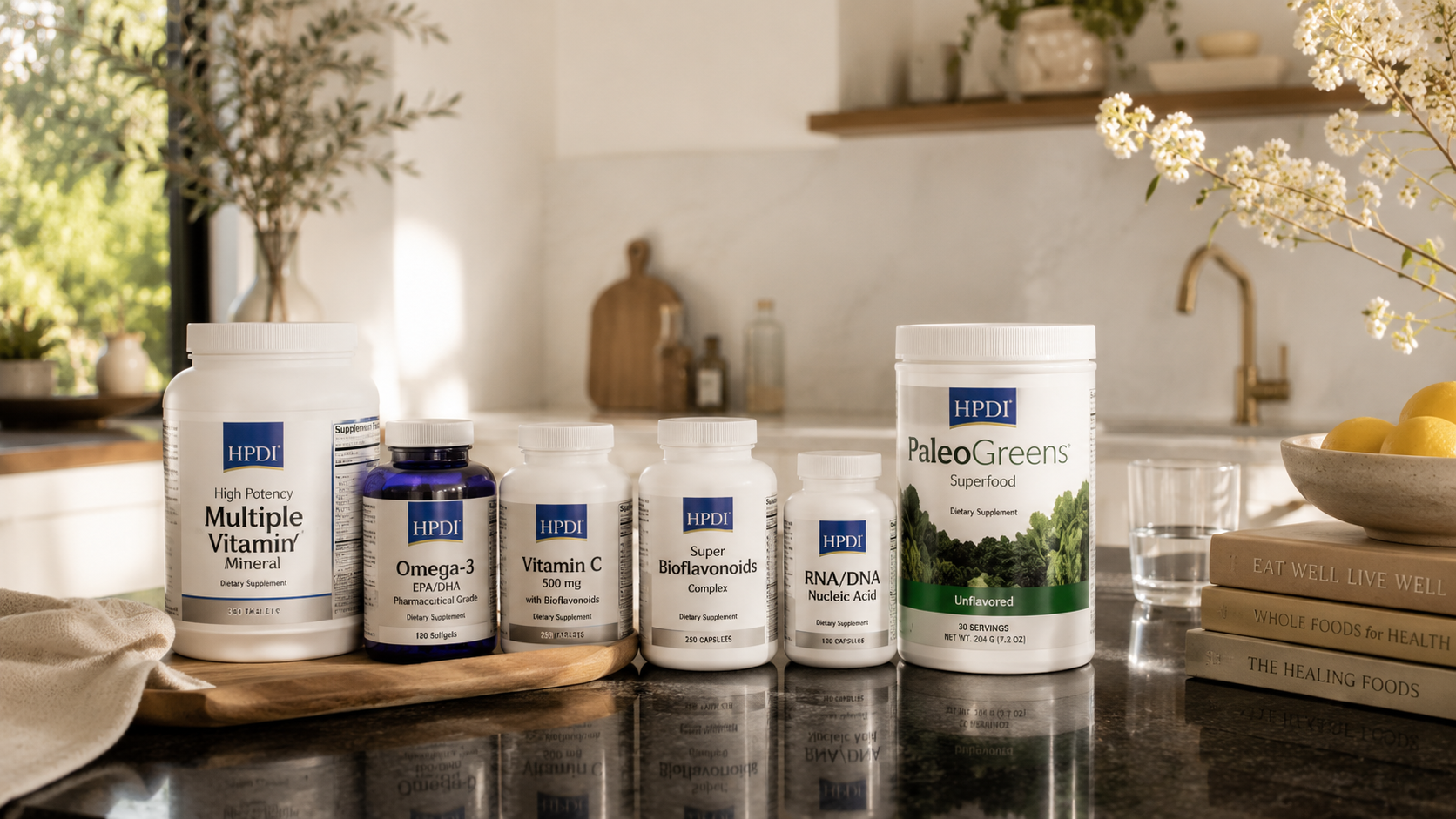
Some integrative health practitioners instead focus on what are sometimes called foundational supplements — core nutritional categories that help support the body’s basic functions more broadly.
These may include:
- a high-quality multivitamin
- omega fatty acids
- antioxidant support such as Vitamin C
- nutrient-dense whole-food or superfood formulations
Organizations like Integrated Health Products have long emphasized this more foundational approach to nutrition rather than relying solely on isolated single-ingredient trends.
Supplements Are Not a Substitute for Lifestyle
No supplement can replace:
- consistent sleep
- whole foods
- movement
- sunlight
- meaningful relationships
- emotional well-being
- time outdoors
But health is not always built through perfection. Sometimes it is supported through layers of small, sustainable choices working together.
A nourishing breakfast.
A walk outside.
Better hydration.
More vegetables.
Less ultra-processed food.
A supportive supplement routine.
Over time, these small decisions can create meaningful shifts in how we feel.
The Importance of Quality
Not all supplements are created equally.
Ingredient sourcing, manufacturing standards, fillers, artificial additives, synthetic coloring, and bioavailability all matter. This is one reason many people are becoming more intentional about researching brands, formulations, and ingredient transparency.
The goal should never be excess. More is not always better. Instead, the focus should be thoughtful support — understanding what the body may need and choosing products carefully and responsibly.
A More Balanced Conversation About Health
Modern wellness conversations often become polarized: either supplements are portrayed as essential for everything or dismissed entirely.
But health is rarely binary.
Nutritional support exists within a larger picture that includes food quality, lifestyle, environment, emotional health, movement, and recovery. Supplements alone do not create health. Yet in a demanding modern world, they may help support the foundations that allow the body to function more effectively over time.
The deeper goal is not optimization for perfection. It is creating conditions that help the body remain supported, resilient, and nourished in everyday life.